
Blacks
Blacks sets the darkest point in your photo, controlling how deep the shadows fall. Lowering it adds richness and drama to dark areas, while raising it lifts the blacks for a faded, matte aesthetic.
Anchoring the Darkest Point

Blacks set the absolute floor of your image — the darkest point the photo can reach, and the boundary beyond which all tonal information collapses into pure, undifferentiated black. While the shadows slider controls the general dark regions of an image across a broader tonal range, blacks operate at the very bottom of that range, defining with precision how deep the deepest tones in the image actually go. This foundational quality makes blacks one of the most influential adjustments in photo editing — setting it even slightly differently can dramatically change the perceived density, contrast, and overall character of an entire image. A photo with crushed blacks feels weighty, cinematic, and intense. A photo with lifted blacks feels lighter, softer, and more nostalgic. The blacks slider is, in many ways, the anchor that determines how the entire tonal structure of the image sits and feels.
Crushing Blacks for Depth and Drama
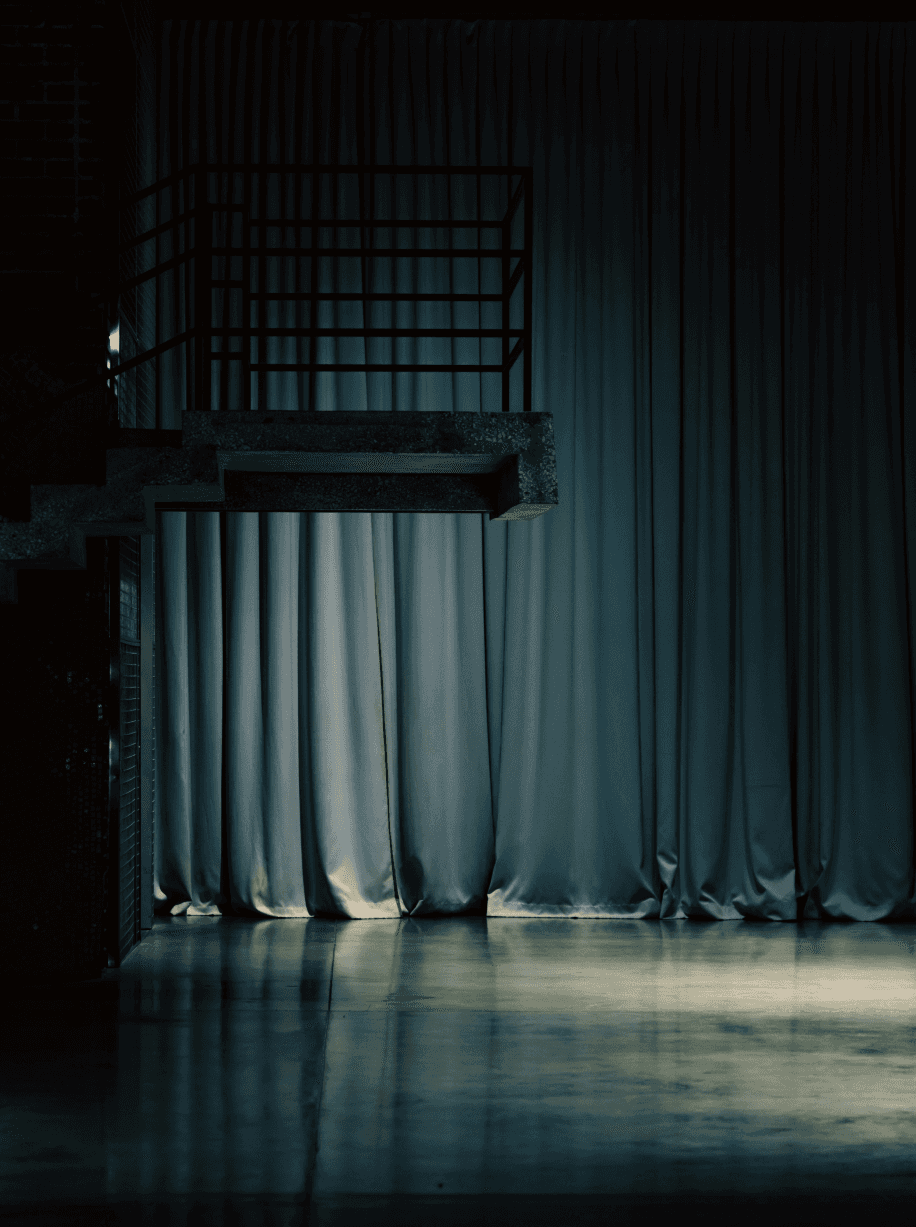
Lowering blacks — a technique often referred to as crushing the blacks — deepens the darkest tones in your image, creating rich, dense, visually heavy shadows that anchor the composition and add a powerful sense of weight, mystery, and dramatic intensity. This is one of the defining characteristics of high-contrast editing styles used across cinematic color grading, editorial photography, moody portrait work, and fine art black and white photography. When shadows are this deep, the eye is pulled toward whatever is illuminated within the frame with considerably more force than in a softer, more open image — making it an especially powerful compositional tool for isolating subjects, creating visual hierarchy, and generating the kind of tension that makes a viewer feel something before they consciously understand what they're looking at. It works particularly well in low-key photography, nighttime street scenes, theatrical portraiture, and any image where the interplay between darkness and light is the primary subject of the work.
Lifting Blacks for a Faded, Film-Like Look
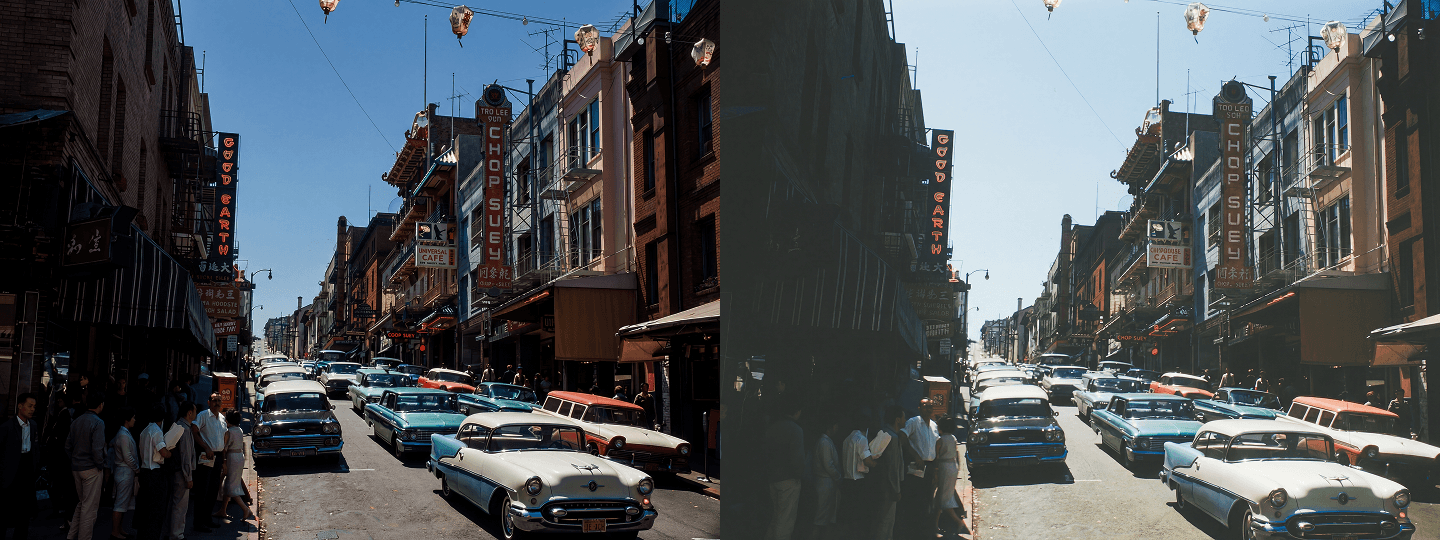
Raising blacks lifts the darkest tones in the image upward, preventing them from ever reaching true black and creating the characteristic faded, matte, slightly washed-out aesthetic that has become one of the most recognizable and widely used looks in contemporary photography and visual content creation. This lifted-black style has deep roots in analog film photography — certain film stocks, particularly those designed for portrait and wedding work, had emulsion characteristics that naturally prevented the deepest shadows from reaching pure black, producing a soft, slightly elevated shadow floor that gave images a warmth and gentleness that digital photography initially struggled to replicate. Today, lifting blacks digitally is one of the primary tools for achieving a film-inspired look, and it works best when combined with reduced global contrast, a slight fade, and a warm white balance shift that together create a cohesive, nostalgic aesthetic that feels timeless rather than trendy.


