
Brightness
Brightness adjusts the luminance of your photo with a focus on midtones, making the image feel lighter or darker without aggressively clipping highlights or shadows. It's a gentler alternative to exposure for subtle tonal adjustments across the overall image.
Subtle Shifts, Meaningful Results

Where exposure moves everything at once, brightness works more selectively — lifting or darkening the midtones of your image while leaving the brightest highlights and deepest shadows relatively untouched. It's the subtler, more forgiving sibling of exposure, designed for moments when the overall light feels almost right but not quite. Rather than redefining the entire tonal range of a photo, brightness nudges the middle of it — the zone where most of the visual information in a photo actually lives, and where small changes tend to have the most natural-looking impact on the overall feel of the image.
A Kinder Touch for Portraits and Soft Scenes
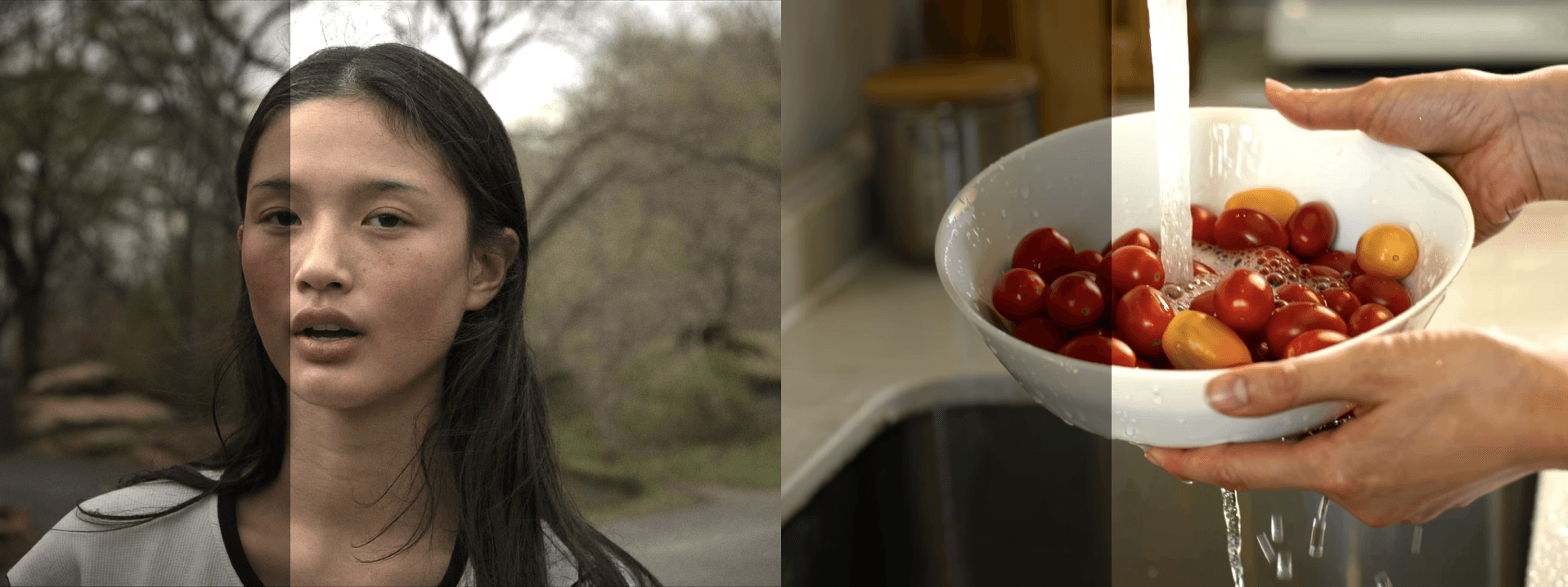
Brightness is particularly useful for portraits and softly lit scenes where you want to add a gentle lift without blowing out skin tones or flattening the shadows. Raising it gradually brings a natural warmth and openness to the image — faces feel more present, backgrounds feel less heavy, and the overall light begins to feel like it belongs rather than like it was added in post. Lowering brightness deepens the mood without losing detail in the darker areas, making it a more controlled alternative to reducing exposure when you want atmosphere without sacrificing the tonal information that gives a photo its depth and dimension. It also pairs particularly well with soft light and bloom, where the goal is emotional warmth rather than technical precision.
The Fine-Tuning Stage
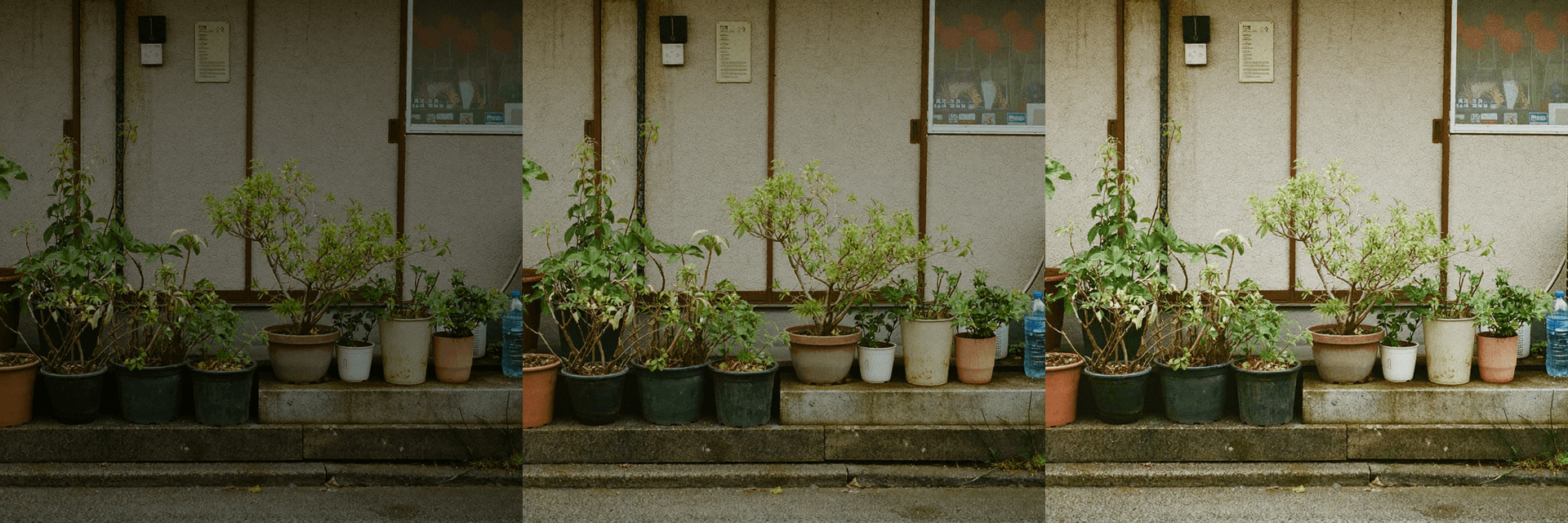
Think of brightness as the fine-tuning stage after exposure has done the heavy lifting — the last adjustment you reach for when everything else is in place but the image still needs a gentle push in one direction or the other. Used together, exposure and brightness give you layered control over how light moves through your photo: exposure sets the absolute ceiling and floor of the tonal range, while brightness shapes the midtone territory that lives between them. This layered approach is especially valuable when editing portraits, food photography, or any image where preserving natural skin tones and soft gradients matters more than dramatic contrast. Rather than making a single large move with exposure, try making a smaller exposure adjustment and finishing with brightness — the result tends to feel more organic and less processed.


