
Shadows
Shadows controls the brightness of the darker regions in your photo independently from the highlights. Lifting them reveals hidden detail in underexposed areas, while deepening them adds moodiness and contrast to the overall image.
What Lives in the Dark
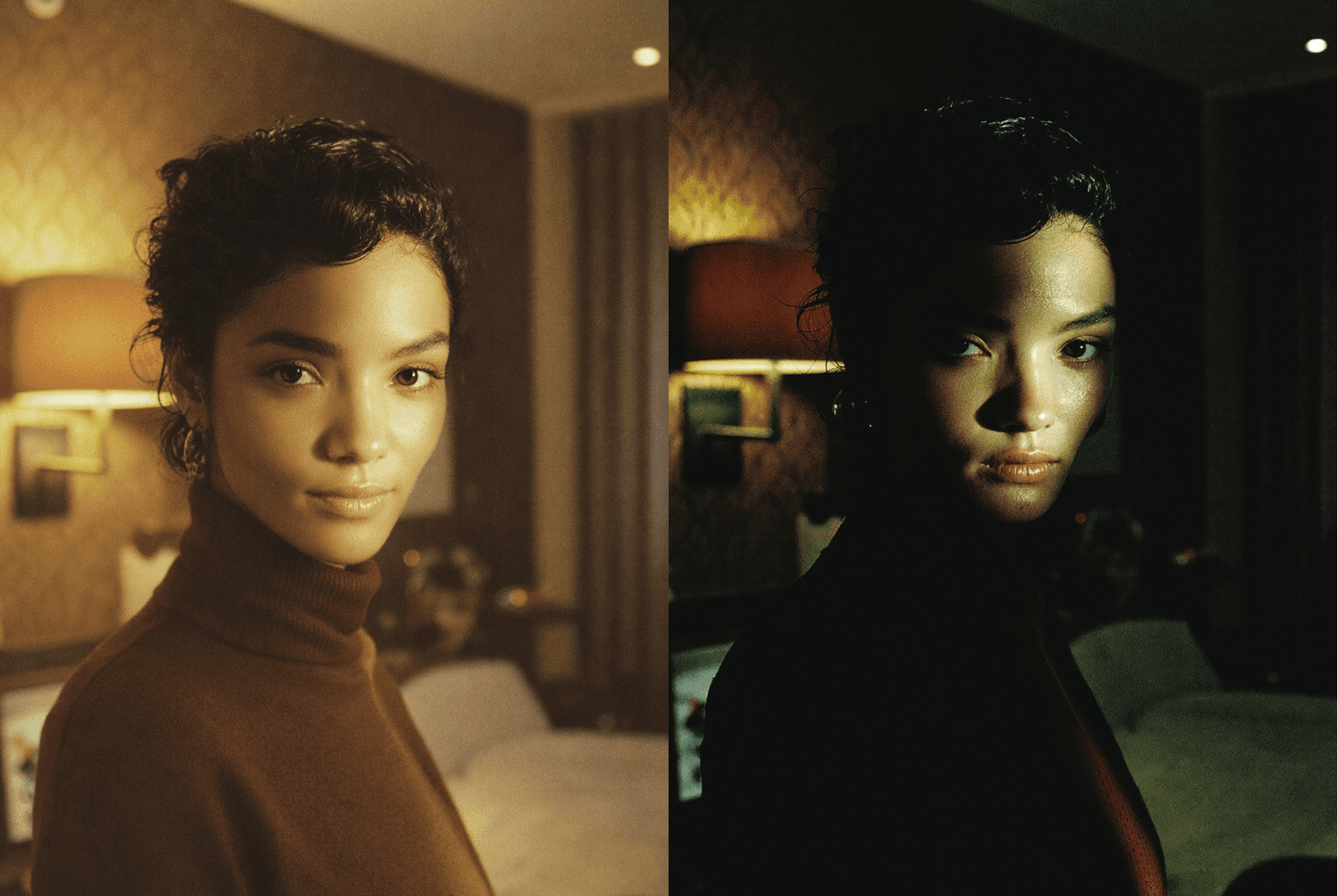
Shadows control the brightness of the darker regions of your photo — the areas that sit below the midtones but above pure black — and adjusting them is one of the most expressive and consequential decisions you can make in photo editing. The shadow regions of an image carry a disproportionate amount of its emotional weight. Deep, uncompromising shadows create mystery, drama, and visual tension. Lifted, open shadows create accessibility, warmth, and a sense of transparency. The choice between these two approaches defines not just the look of a photo but its entire psychological register — whether it feels safe or threatening, intimate or distant, documentary or cinematic. No other single adjustment has quite the same capacity to shift the fundamental emotional character of an image.
Lifting Shadows to Reveal Hidden Detail
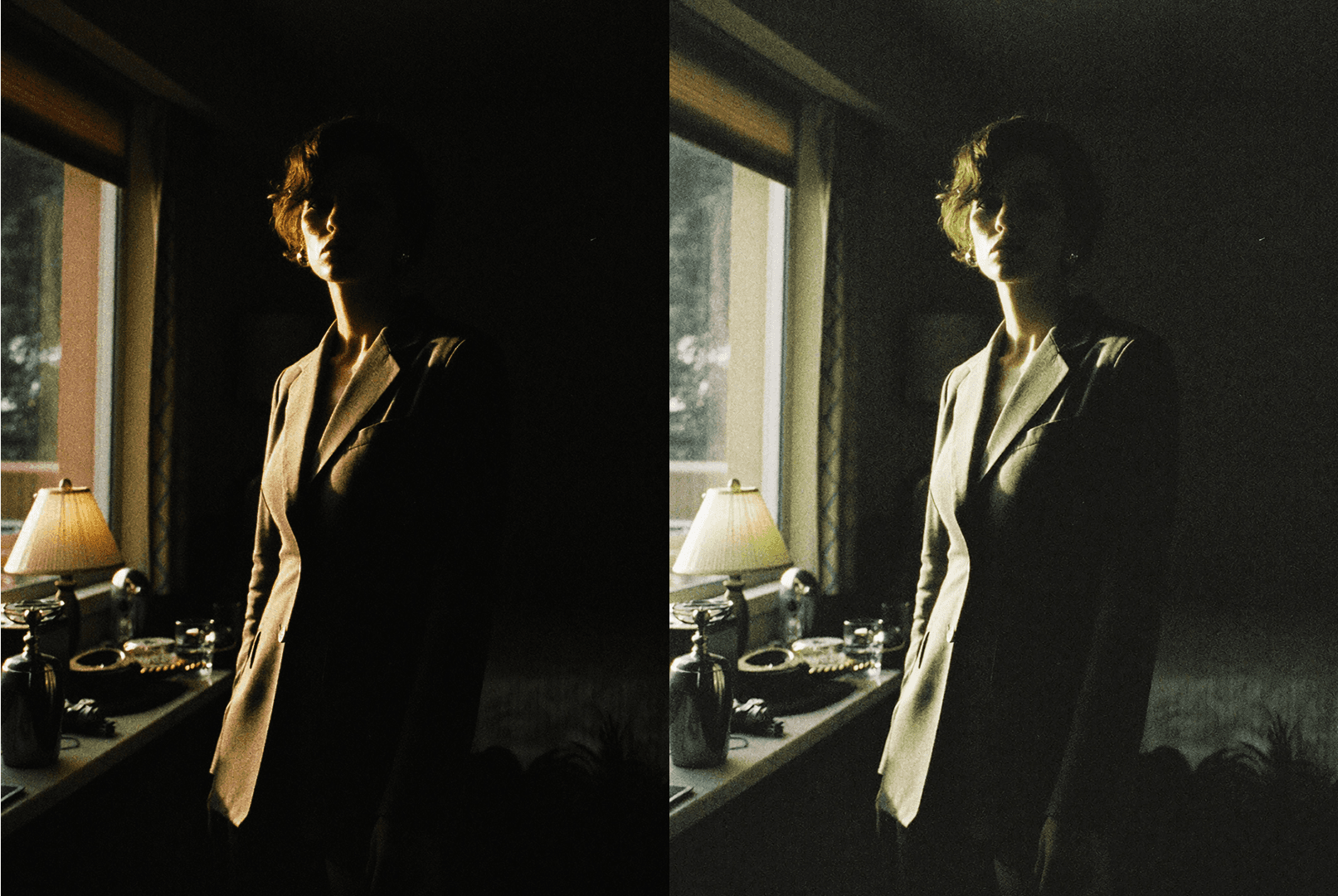
Raising shadows is one of the most practically useful and frequently applied editing moves in photo editing — it recovers detail in underexposed areas of the image without touching or compromising the midtones or highlights that are already correctly exposed. A dimly lit interior where the furniture details have fallen into darkness, a face in partial shade where one side has lost its definition, a landscape foreground that went too dark while the sky exposed correctly — all of these common photographic challenges can be addressed with a careful shadow lift that opens up the darker areas of the frame while preserving the overall tonal balance of the image. Shadow recovery is particularly valuable in high-contrast scenes where the dynamic range of the subject exceeds what the camera can capture in a single exposure, and it's one of the primary reasons that shooting in raw format — which retains significantly more shadow detail than JPEG — gives editors so much more flexibility in post.
Deepening Shadows for Mood and Drama
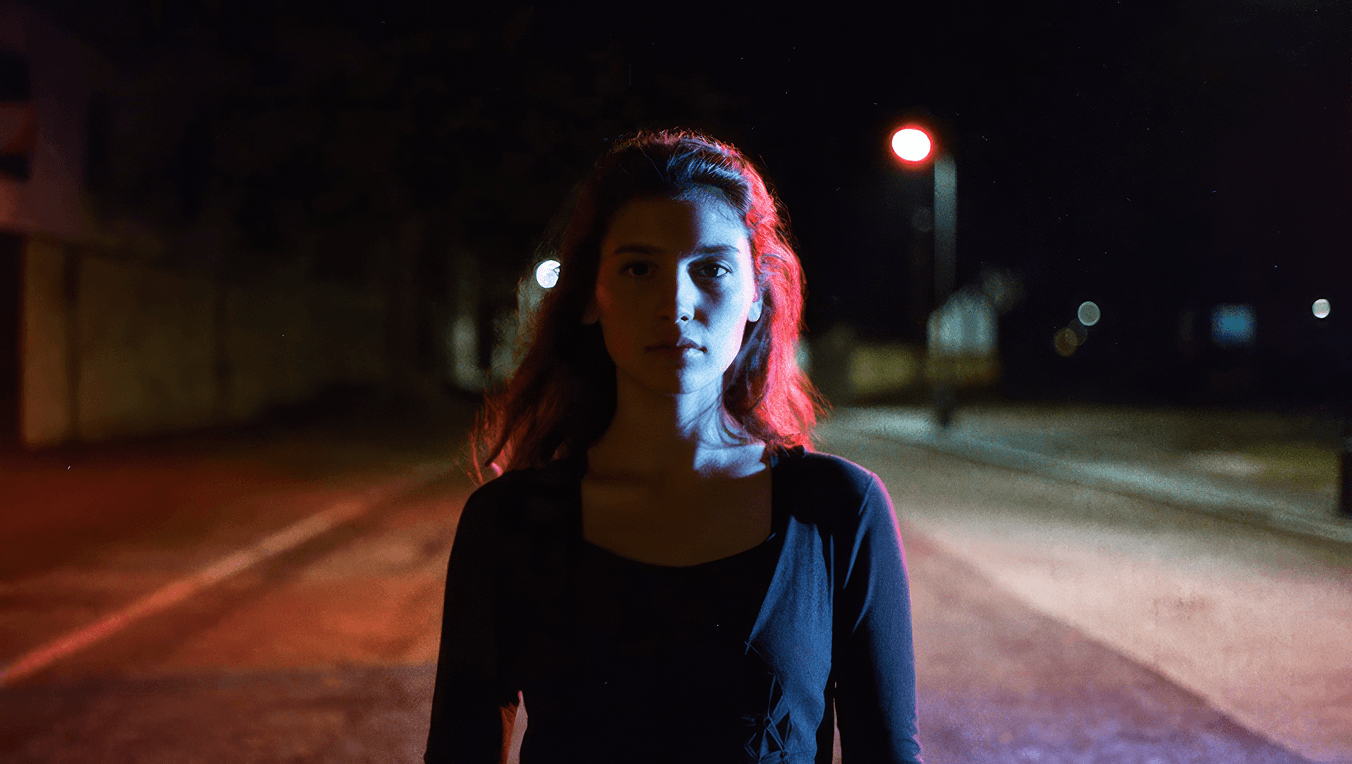
Lowering shadows pushes the darker regions of an image deeper, increasing the separation between light and dark and giving the overall photo a more dramatic, cinematic, and visually striking quality. This technique is foundational in moody portrait photography, where deep shadows sculpt the face and add a sense of psychological complexity to the subject. It's equally central to noir-inspired street photography, where pools of darkness and isolated light sources create a world that feels both real and theatrically staged. In landscape photography, deepening shadows makes the land feel heavier, more ancient, and more imposing — particularly effective in mountain, desert, and forest imagery where scale and weight are part of the emotional story. When using this technique, combining deep shadows with lifted highlights creates a classic high-contrast look that separates subjects from their environments with maximum visual impact, and pairing it with a slight warmth in the white balance ensures the overall image retains some emotional accessibility even as the shadows deepen around it.


