
Fade
Fade lifts the darkest tones in your photo to create a washed-out, matte film look. It's a subtle but powerful tool for achieving a nostalgic or editorial aesthetic, though heavy use can flatten contrast and reduce depth.
Softening Reality Into Memory

Fade lifts the darkest tones in your image — preventing them from ever reaching true black — and in doing so, creates the characteristic washed-out, matte, softly compressed quality that evokes the look of aged photographs, expired film stock, carefully crafted editorial work, and the kind of images that feel like they were captured on a different kind of camera in a different era entirely. It's a deceptively simple adjustment with a profound and far-reaching effect on the overall emotional register of a photo. Where crushing blacks makes an image feel dense, cinematic, and intense, fading them does precisely the opposite — it opens the shadows up, reduces visual tension, and gives the entire tonal range a softness and lightness that feels nostalgic, intimate, and almost dreamlike. It's the editing equivalent of a memory rather than a record — images that feel remembered rather than observed.
An Aesthetic With Roots in Film
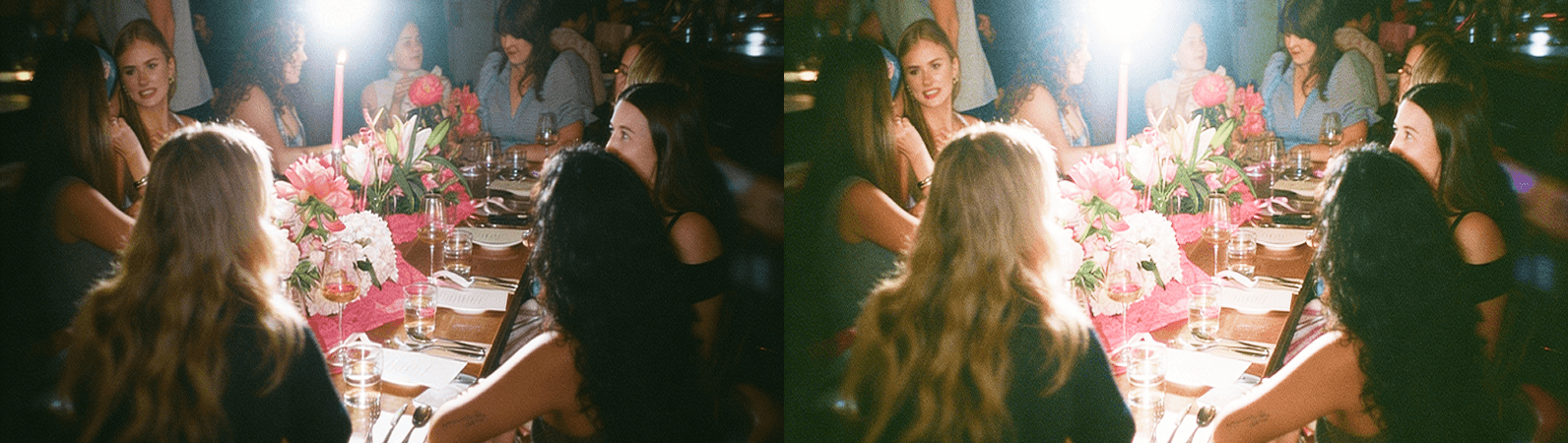
The faded look has deep roots in the physical characteristics of specific analog film stocks — particularly those designed for portrait, wedding, and lifestyle photography, where a soft, slightly elevated shadow floor was considered a desirable quality rather than a technical limitation. Films like Kodak Portra and Fuji Pro 400H were beloved not just for their color rendering but for the way their emulsions naturally compressed the tonal range and prevented the deepest shadows from reaching pure black, producing a gentle, lifted quality in the shadows that gave images a warmth, softness, and intimacy that felt deeply human. Digital photography, with its tendency toward technically perfect blacks and high contrast, initially felt cold and clinical by comparison. Today, fade is used intentionally to bridge that gap — to give digital images the organic softness, warmth, and imperfection that made film photography feel so fundamentally different, and to create a visual language that resonates with audiences who associate that aesthetic with authenticity, nostalgia, and emotional sincerity.
Restraint Is Everything
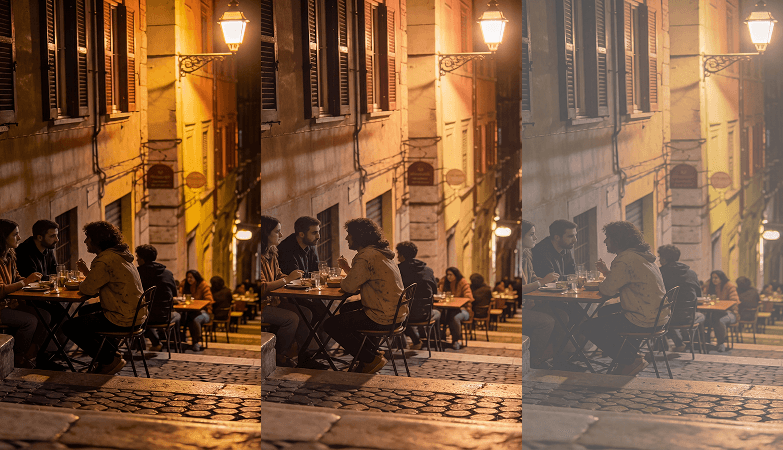
Fade is most effective — and most convincing — when it operates at a level that's almost imperceptible, shifting the emotional atmosphere of an image without calling direct attention to itself as an effect. The temptation to push it further is real, particularly because fade tends to look appealing at higher intensities on screen, but the gap between what looks good while editing and what reads as natural in the final image is often significant. Applied too heavily, fade flattens the tonal range to the point where the image loses all sense of depth, dimension, and visual weight — what started as a soft, nostalgic quality becomes a flat, overprocessed, and distinctly modern-looking edit that defeats the entire purpose of the effect. A practical benchmark: if you can identify the fade as a separate effect when looking at the finished image, it's probably too much. The goal is for the image to simply feel warmer, softer, and more gently lit — not to feel like it has been faded.


