
Crop
Crop lets you reframe your photo by trimming away the edges to change what stays inside the frame and what doesn't. It's less about adjusting the image itself and more about deciding what the image is — where the story begins and ends, and how much space each element is given to breathe within the composition.
One Cut Changes Everything
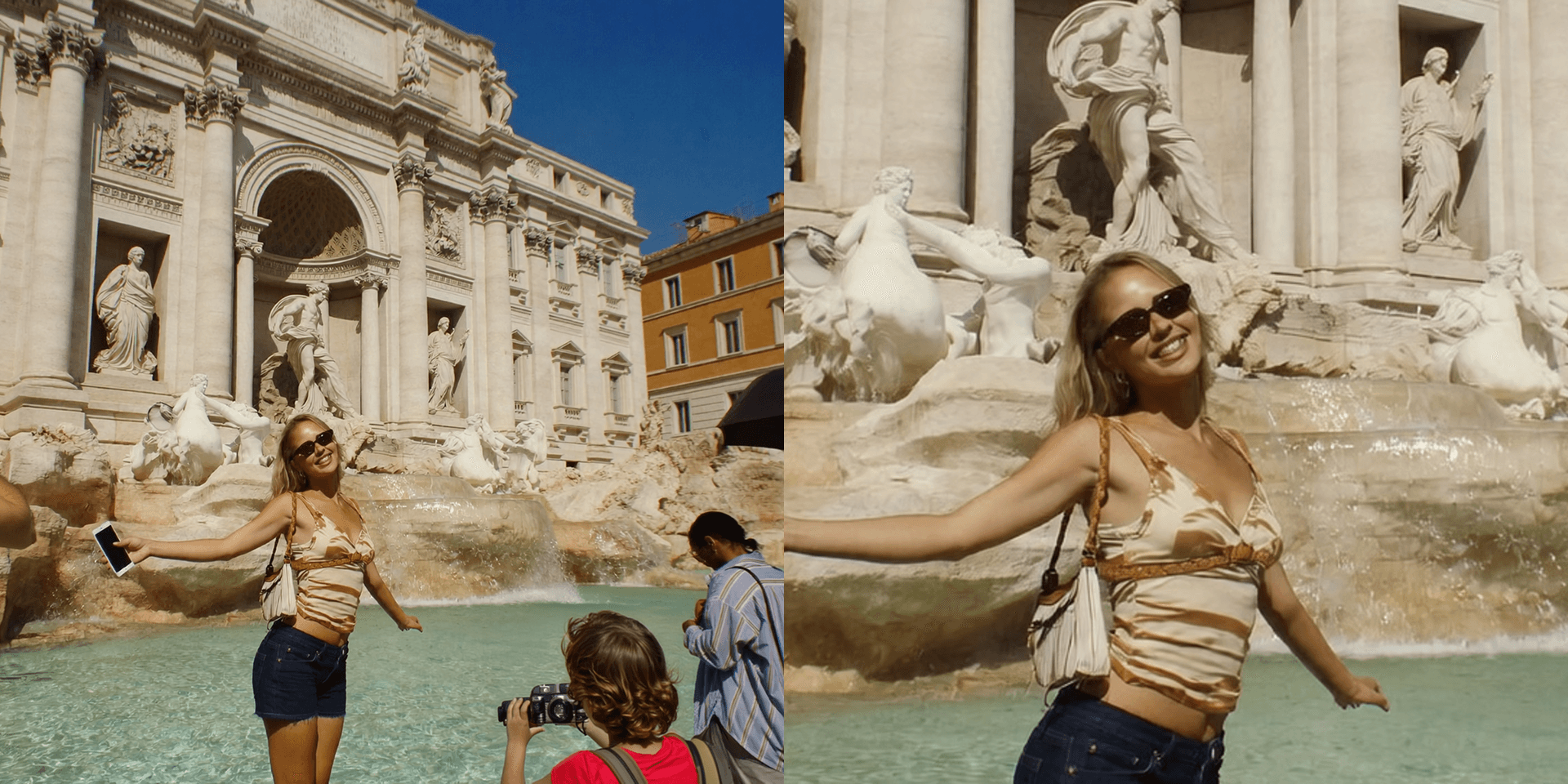
Crop lets you reframe your photo by trimming away the edges to change what stays inside the frame and what doesn't. It's less about adjusting the image itself and more about deciding what the image is — where the story begins and ends, how much tension or breathing room exists between elements, and where the viewer's eye is invited to land. Of all the tools in photo editing, crop is the one that most directly shapes how a composition is read and felt. It doesn't alter light, color, or texture — it determines the boundaries within which everything else exists.
Tighten the Story, Remove the Noise
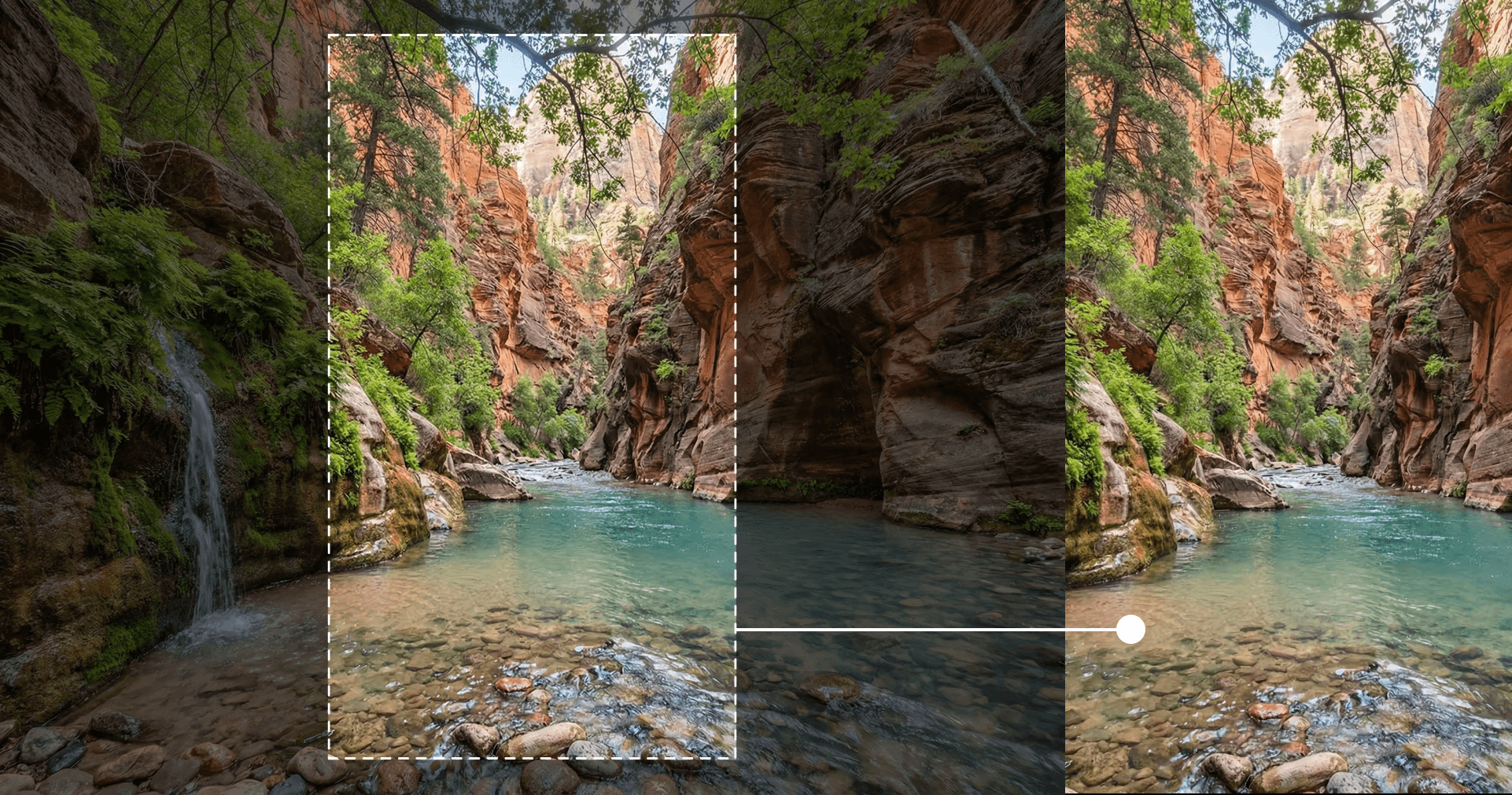
A well-placed crop can rescue an otherwise unfocused image — eliminating distracting elements at the edges, pulling the subject closer, or shifting the visual weight of the composition entirely. It can transform a wide, undirected shot into a tight, intentional portrait, reframe a landscape to emphasize the horizon over an empty sky, or isolate a single detail that was buried inside a busier frame. Cropping also helps apply compositional principles after the fact — you can introduce the rule of thirds, create negative space, or rebalance a subject that was slightly off-center during shooting. The best crops don't feel like something was removed. They feel like the photo was always meant to look this way, as if the original frame never existed.
Aspect Ratio Shapes How a Photo Feels
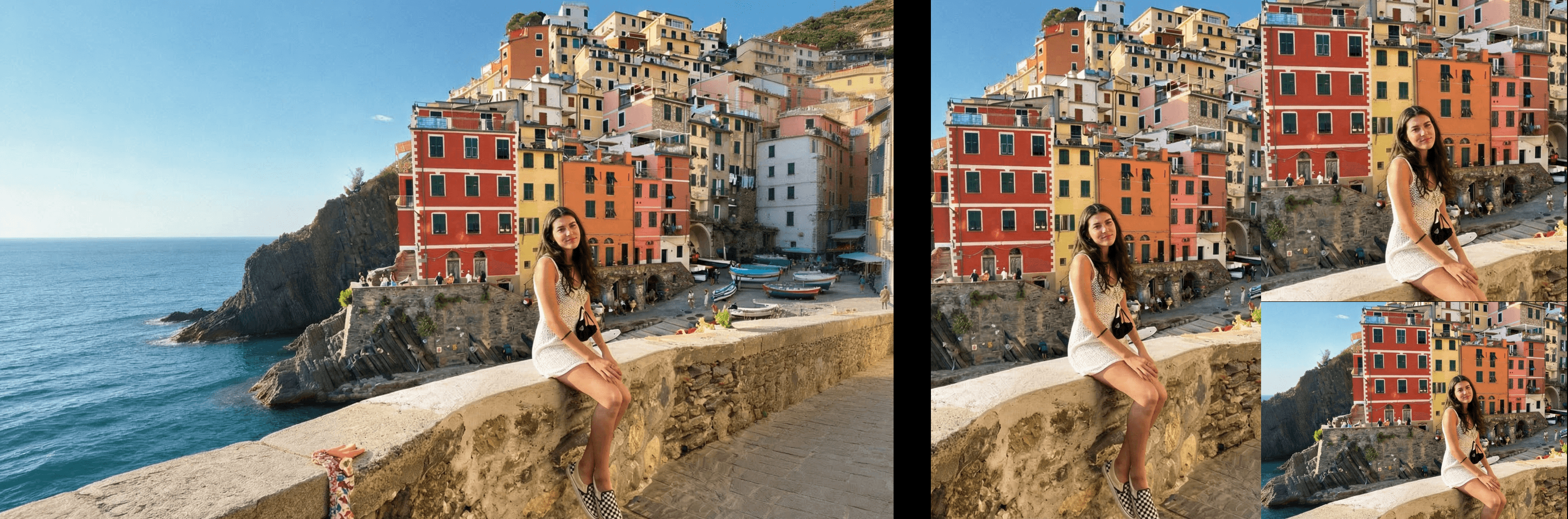
Cropping isn't just about trimming edges — it's also about choosing the right aspect ratio for where and how the image will be seen, and what emotional tone that shape carries. A square crop (1:1) feels balanced, contained, and deliberate — well suited to portraits, product photography, and any composition where symmetry or stillness is the point. A wide, cinematic ratio (16:9 or 2.39:1) adds horizontal drama and scale, making landscapes, architecture, and street scenes feel expansive and immersive. A vertical crop (4:5 or 9:16) commands attention on mobile screens and social feeds, and naturally emphasizes height — ideal for tall subjects, standing portraits, and any image where vertical movement guides the eye. Before you crop, consider not just what to cut, but what shape best serves the image's intent and where it will ultimately live.


