
Halation
Halation simulates the vintage film effect where bright light bleeds into surrounding darker areas with a warm, reddish glow. It adds an organic, analog character to photos that feels nostalgic and cinematic, reminiscent of light leaking through film emulsion.
The Glow That Film Left Behind
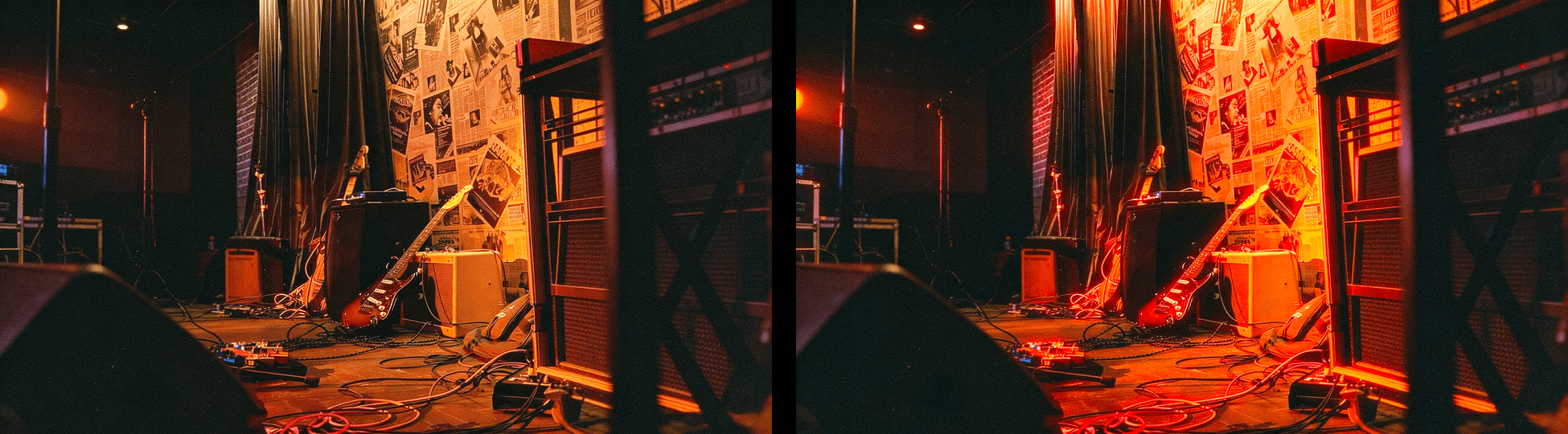
Halation recreates one of film photography's most beloved accidents — the warm, reddish bleed of light that occurs when bright sources overwhelm the film emulsion and spill into surrounding darker areas. In analog photography, it happened naturally when intense light passed through the film base and reflected back into the emulsion layer, creating a soft, colored halo around highlights that no digital sensor could replicate on its own. It's an imperfection that became an aesthetic — one closely associated with the cinematic warmth of 35mm film, Super 8 footage, and the iconic look of classic Hollywood cinematography. In the right hands, halation makes a digital photo feel unmistakably analog, adding a layer of organic texture and emotional depth that purely technical editing rarely achieves.
Best Used in High-Contrast, Backlit Scenes

Halation thrives wherever there's a strong contrast between light and dark — the kind of scenes where highlights and shadows exist in close proximity and the transition between them carries visual tension. Night street photography lit by neon or tungsten, windows casting shafts of warm light into dim interiors, portraits taken with the sun sitting just behind the subject, or cityscapes shot at dusk where artificial light begins to compete with fading daylight — these are all contexts where halation feels entirely at home. In each of these situations, the warm bleed of light around bright edges reads as organic and cinematic rather than forced or artificial, because it mirrors what would have happened naturally had the same scene been captured on film. It also pairs exceptionally well with grain and fade effects, which together create a cohesive analog aesthetic that feels pulled from a different era entirely.
Nostalgia With Intention
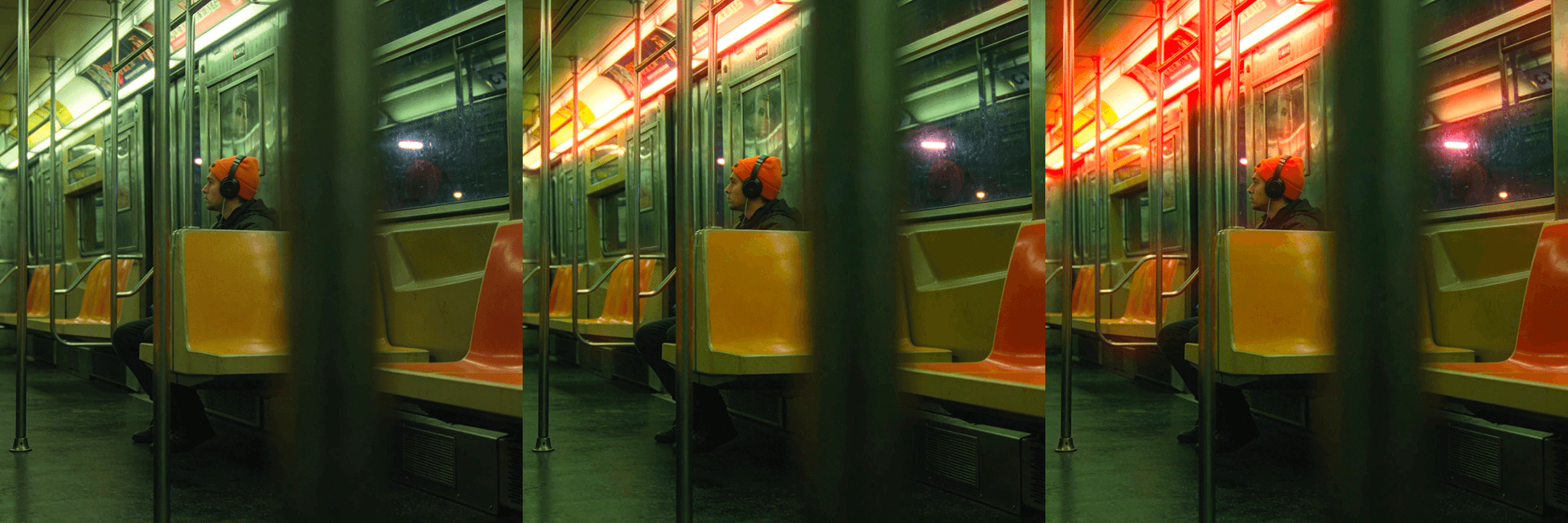
Like all vintage-inspired effects, halation works best when it serves the emotional story of the image rather than simply decorating its surface. The difference between halation used well and halation used poorly often comes down to a single question: does this glow belong here, or was it added because it looks interesting in isolation? A subtle application adds character, warmth, and soul — it makes a photo feel like it was lived in rather than manufactured. Too much, and the effect begins to overpower the image itself, turning a genuine moment into something that looks more like a stylistic exercise than a photograph. Apply it at lower intensities than feels instinctive, evaluate it against the original, and ask whether the warmth it adds is reinforcing what's already emotionally present in the frame — or simply covering it with a filter.


