
Soft Light
Soft Light blends a diffused, gentle glow over your photo to create a dreamy, film-like atmosphere. It subtly boosts contrast and warmth simultaneously, giving images a flattering, ethereal quality that works especially well for portraits and romantic scenes.
More Than Brightness — A Feeling
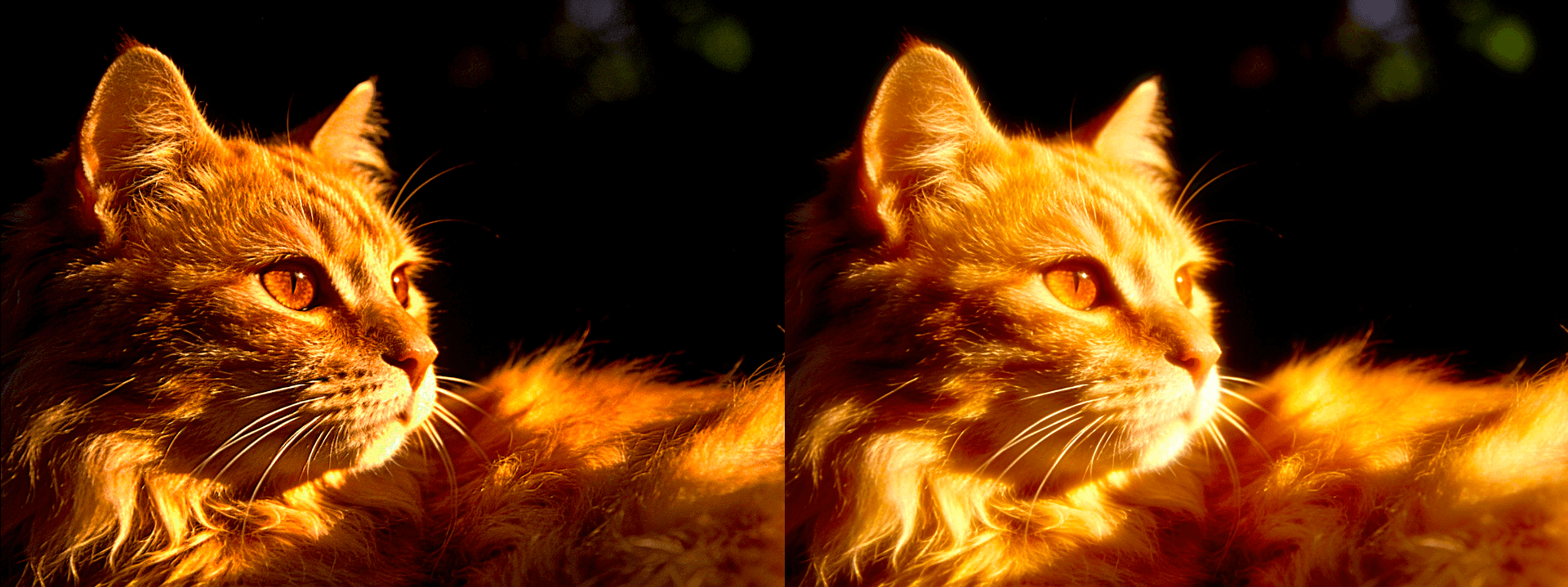
Soft Light wraps your photo in a diffused, gentle luminance that feels less like an edit and more like the memory of a perfect afternoon — the kind of light that exists for a few minutes during golden hour, when everything it touches looks warmer and more alive than it actually is. It doesn't just brighten. It blurs the boundary between light and tone, softening transitions and reducing harshness in a way that makes the entire image feel more cohesive and emotionally present. Unlike exposure or brightness, which move tonal values in a more clinical, measurable way, soft light operates more like a mood — it shifts how a photo feels before a viewer can articulate why.
Where It Shines
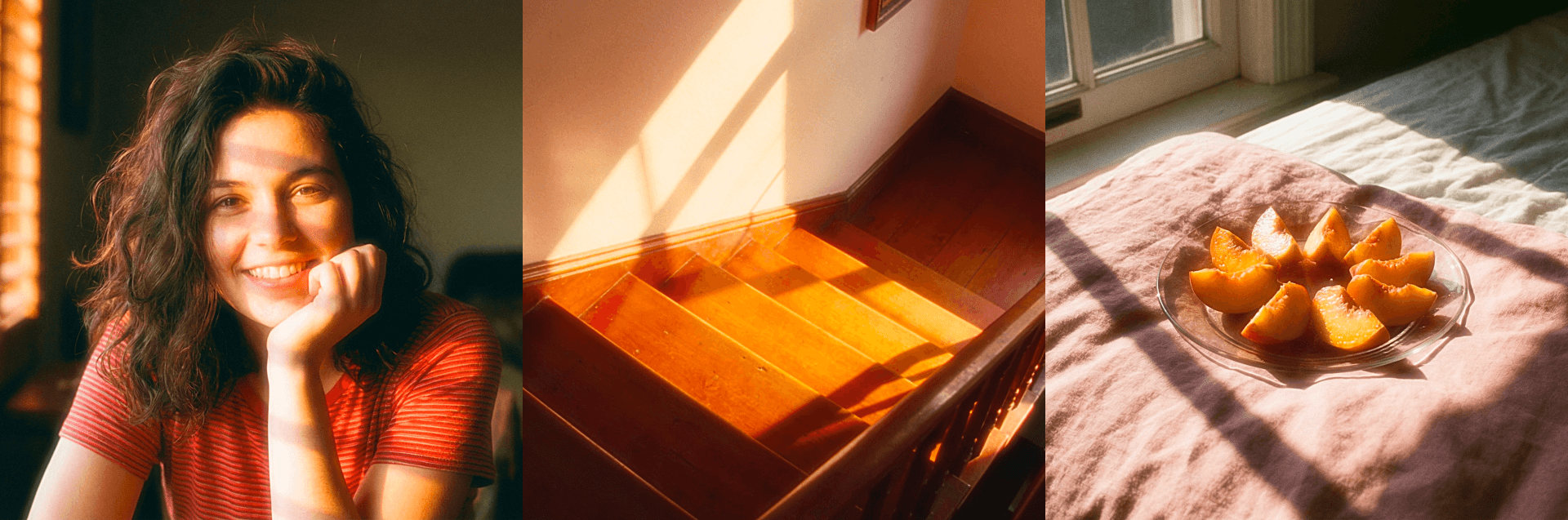
Soft Light works beautifully on portraits, where harsh edges soften, contrast reduces naturally, and skin takes on a flattering, almost luminous quality that feels effortless rather than retouched. It's the kind of effect that makes a face look like it was captured in the best possible light rather than corrected in post. It's equally at home in lifestyle photography, where the goal is to make a scene feel inhabited and warm — a coffee cup on a wooden table, a sun-drenched bedroom, a quiet moment between people. In food photography, soft light adds an inviting, appetizing quality that technical sharpness alone can't replicate. Anywhere the goal is atmosphere over precision, and feeling over fact, soft light tends to be the right tool for the job.
Handle With Care
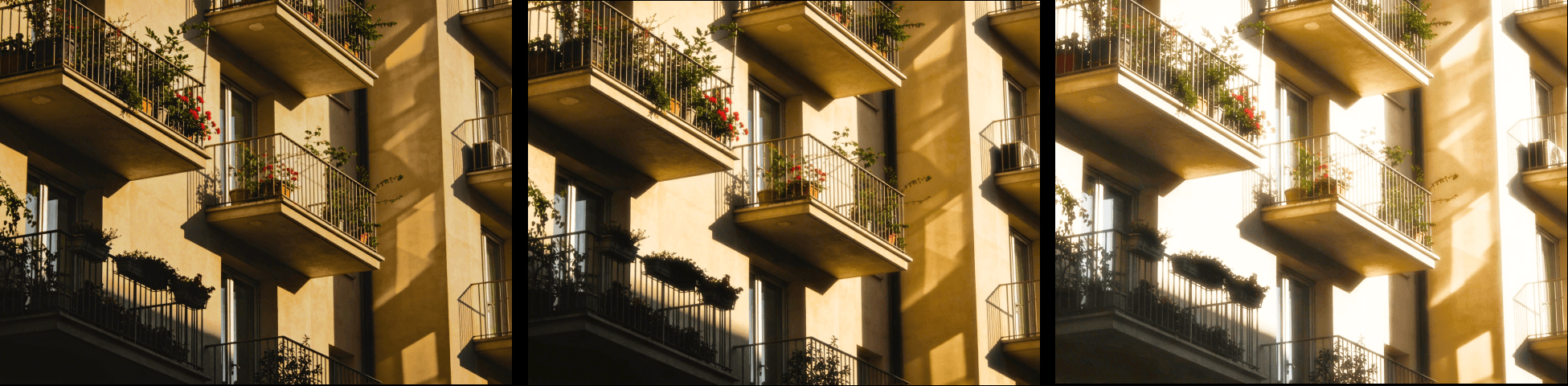
Soft Light is best used with a light touch, and the temptation to push it further than necessary is one of the most common editing pitfalls. Because it simultaneously affects luminance, warmth, and contrast across the whole image, small increases can quickly compound — what looks subtle at 20% can feel overwhelming at 60%. Layering it too heavily pushes a photo into overprocessed territory, where the image starts to look artificially glowing rather than naturally lit, and the organic depth that makes the effect feel genuine begins to disappear. A useful habit is to apply soft light, then reduce it by 20 to 30 percent from wherever you've landed — that slight pullback almost always produces a more believable, more elegant result than the value you originally settled on.


