
Blur
Blur softens the overall focus of your photo or isolates a subject by defocusing the background. It can simulate a shallow depth-of-field effect for a dreamy, cinematic feel, but excessive blur quickly loses important detail and context.
Softness as a Creative Choice
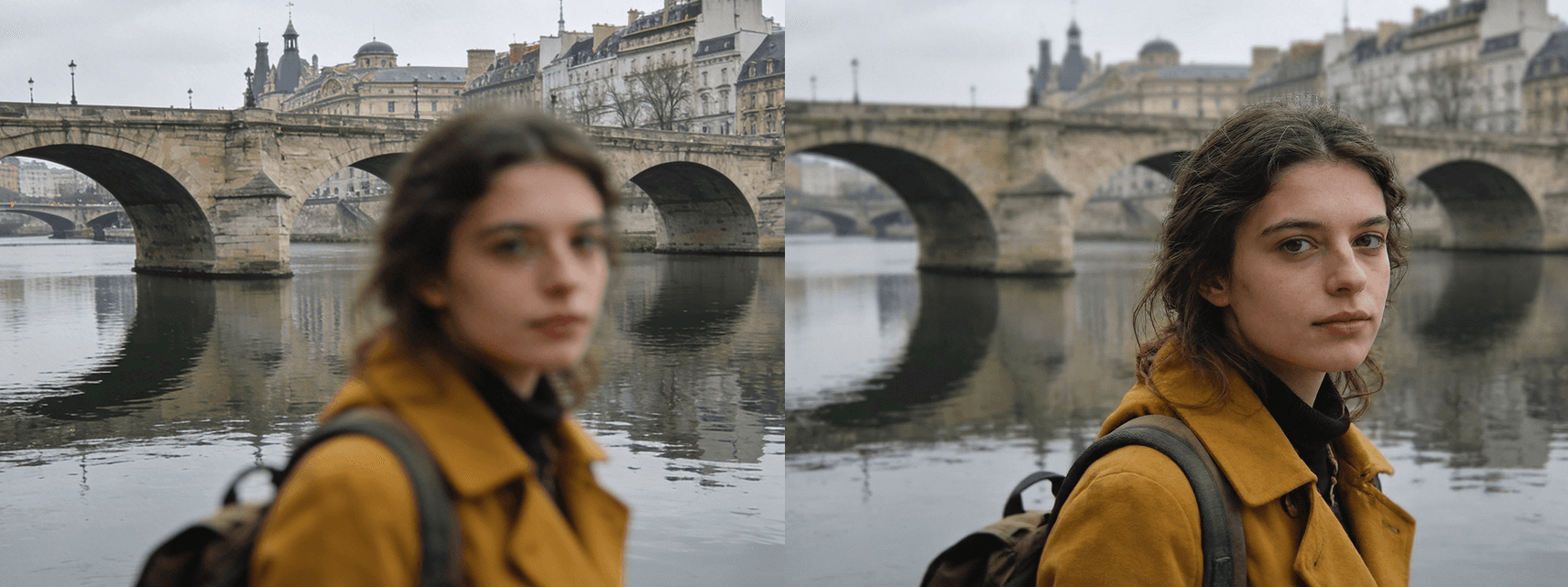
Blur reduces the perceived sharpness of your image — either globally across the entire frame or selectively in specific regions — to create a sense of softness, depth, dreamlike quality, or deliberate abstraction that serves the creative intent of the photograph. In traditional film and optical photography, blur was primarily a function of lens characteristics, aperture selection, and focus distance — the creamy, circular bokeh produced by a fast lens at wide aperture became one of the most aesthetically desirable qualities in portrait and fashion photography precisely because it separated subjects from their backgrounds with an organic, optically produced softness that felt natural rather than imposed. As a digital editing tool, blur allows photographers and content creators to simulate, enhance, or extend that optical quality in post-processing — adding separation where the original lens couldn't produce it, deepening an existing bokeh effect, or introducing a global softness that shifts the entire mood and register of the image.
When Blur Serves the Image

Used with intention and restraint, blur is one of the most powerful compositional tools available in photo editing — it draws the viewer's attention toward what matters by actively reducing the visual prominence of what doesn't. A softened background creates immediate visual hierarchy, pushing the subject forward in the frame and establishing a clear relationship between foreground and background that guides the eye naturally and efficiently. This kind of selective blur is particularly effective in portrait photography, product photography, and food photography, where the goal is to isolate a specific subject within a complex visual environment and make it feel like the unambiguous center of the viewer's attention. A gentle global blur, applied to the entire image rather than selectively, can also add a dreamy, ethereal, or cinematic quality that works well for artistic, fine art, or highly emotive content — softening edges, reducing the hard precision of digital capture, and giving the photo a more painterly, impressionistic quality that feels closer to how we experience moments in memory than how a camera records them in reality.
Know When It's Taking Away More Than It Gives
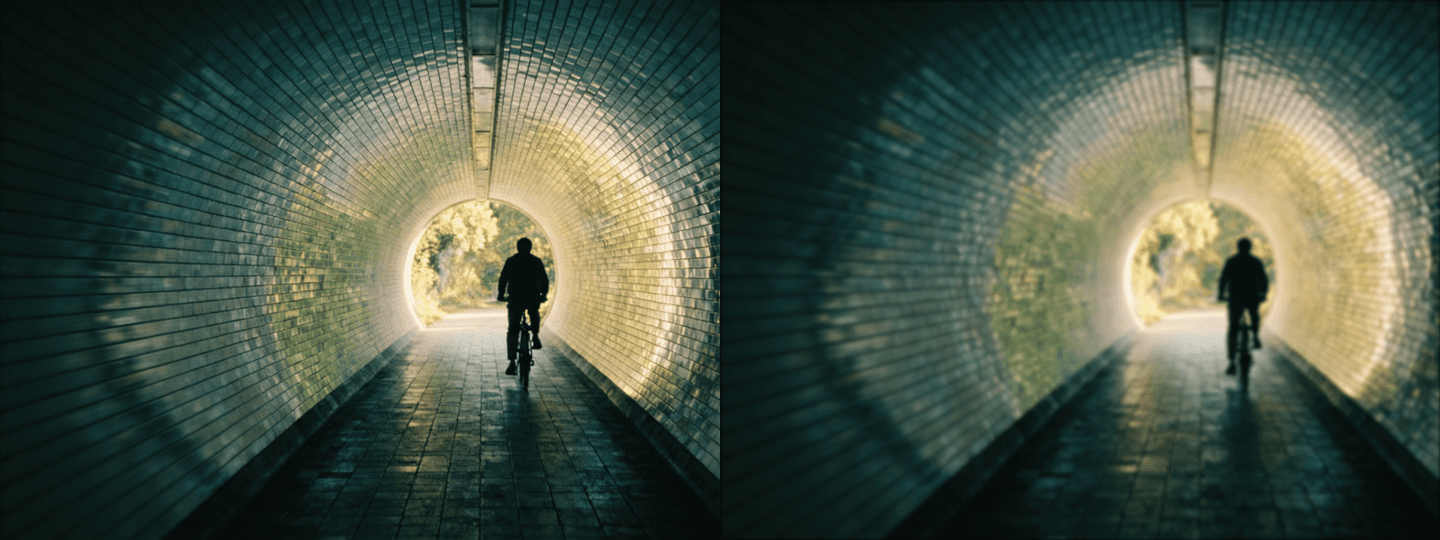
Blur becomes a liability rather than an asset when it begins to obscure detail that matters, when it makes an image feel accidentally out of focus rather than intentionally soft, or when it's applied as a default fix for problems — poor composition, distracting backgrounds, insufficient separation — that would have been better addressed at the moment of capture rather than in post-processing. It's also one of the effects most prone to over-application on mobile, where the tap-and-drag interface makes it easy to add significantly more blur than the image actually needs, and where the results can quickly begin to look artificial, digitally processed, and unconvincing rather than naturally soft and optically produced. The most reliable test for any blur application is simple: does the softness feel like it could have been produced by a lens, or does it feel like a filter? If the answer is the latter, pull back — and consider whether the image genuinely benefits from the blur, or whether the underlying composition needs to be reconsidered instead.


